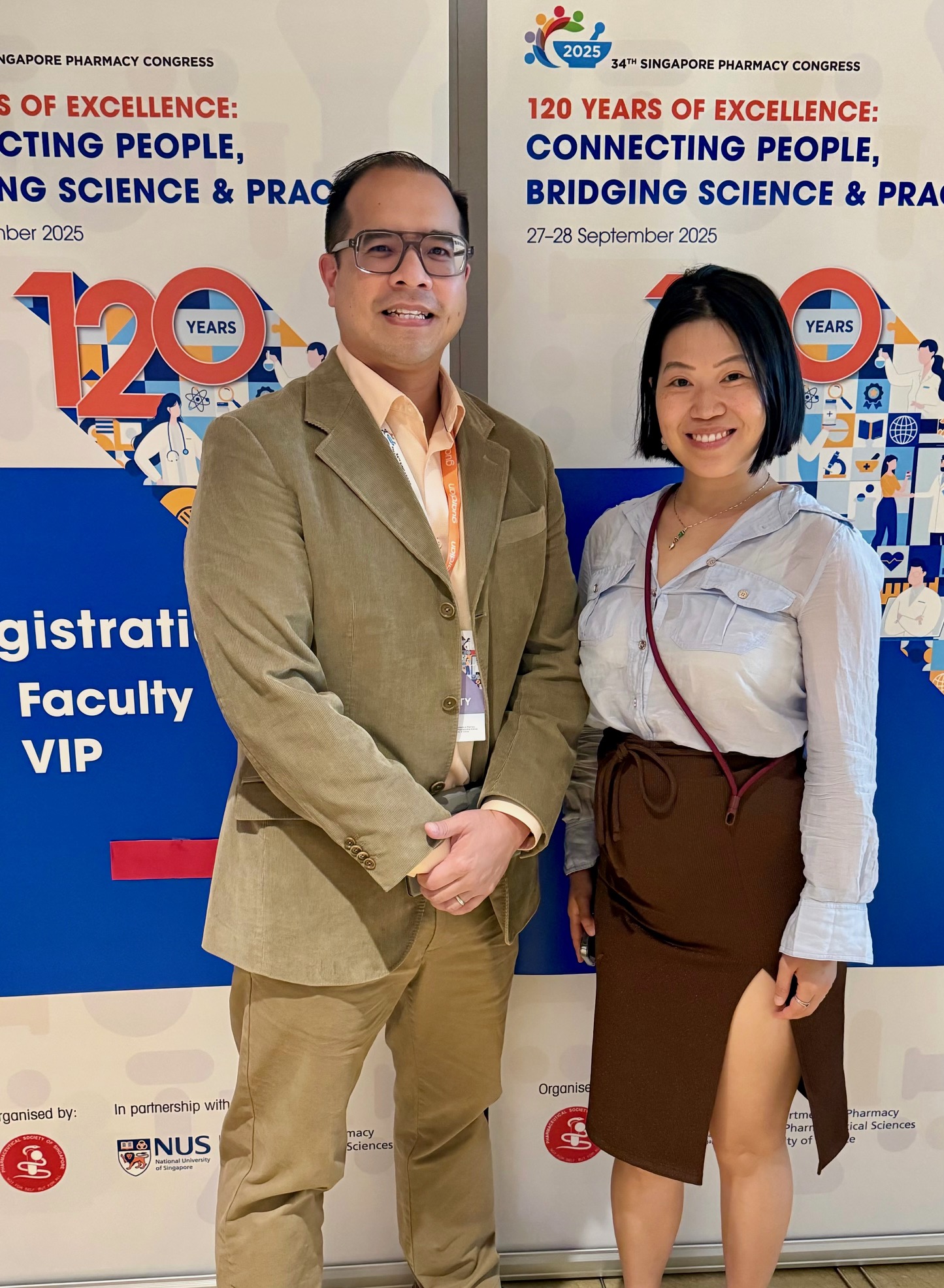
Ten Years Beyond Expectations: Thang Vo-Ta's Marathon in Women's Health

"This will be three years at most."
Thang gently turned the coffee cup in his hands, a flicker of self-deprecating humour in his eyes. A decade ago, when this MIT graduate and former Goldman Sachs banker decided to enter women's health, he set a clear timeline with the confidence typical of elite professionals.
This Vietnamese-Canadian entrepreneur — forged in investment banking at Goldman Sachs, armed with an MIT Sloan BSc, an Oxford MSc in Translational Health Sciences, and recognition as a Sunday Times Maserati Top 100 entrepreneur — never imagined that his neat "three-year plan" would stretch into an eleven-year entrepreneurial marathon.

01 The Outsider Arrives: When a Goldman Banker Tackles Women's Health
If you mapped Thang Vo-Ta's life, it would read like a dazzling global puzzle.
Born into a Vietnamese family in Canada, he holds Canadian citizenship as his legal nationality. Yet when asked where he truly feels at home, his answer surprises many: Singapore.

He moved to Singapore at age three and spent fifteen formative years there. The city — where East meets West, ambition meets order — shaped his worldview as it rose into a global hub.
His path then spanned three continents:
- After MIT Sloan, he joined Goldman Sachs in New York and London, building deep experience in investment banking and private equity.
- For the next decade he moved into real estate development, including landmark London projects such as St Pancras and the Chiltern Firehouse.
- Named to the Sunday Times Maserati Top 100 and The Manufacturer's Top 100, he built a family life in London with his wife and four children.
Yet beneath success lay a hunger for more meaningful work. Thang's path was never linear — before women's health, he spent two years as a professional hip-hop dancer.
"Maybe dancing taught me to find rhythm in fields where others see none," he says with a smile.

(AI-generated illustration — Thang keeps his old film photos and tapes tucked away in a private archive.)
In 2012 he met gynaecologist Alex Hooi, who had heard thousands of women describe frustration with period-care products. The gap moved him: 70% of women use tampons and pads together to prevent leaks; women undergoing fertility treatment face messy, inconvenient vaginal progesterone delivery. Here was a technically stagnant, chronically overlooked category.
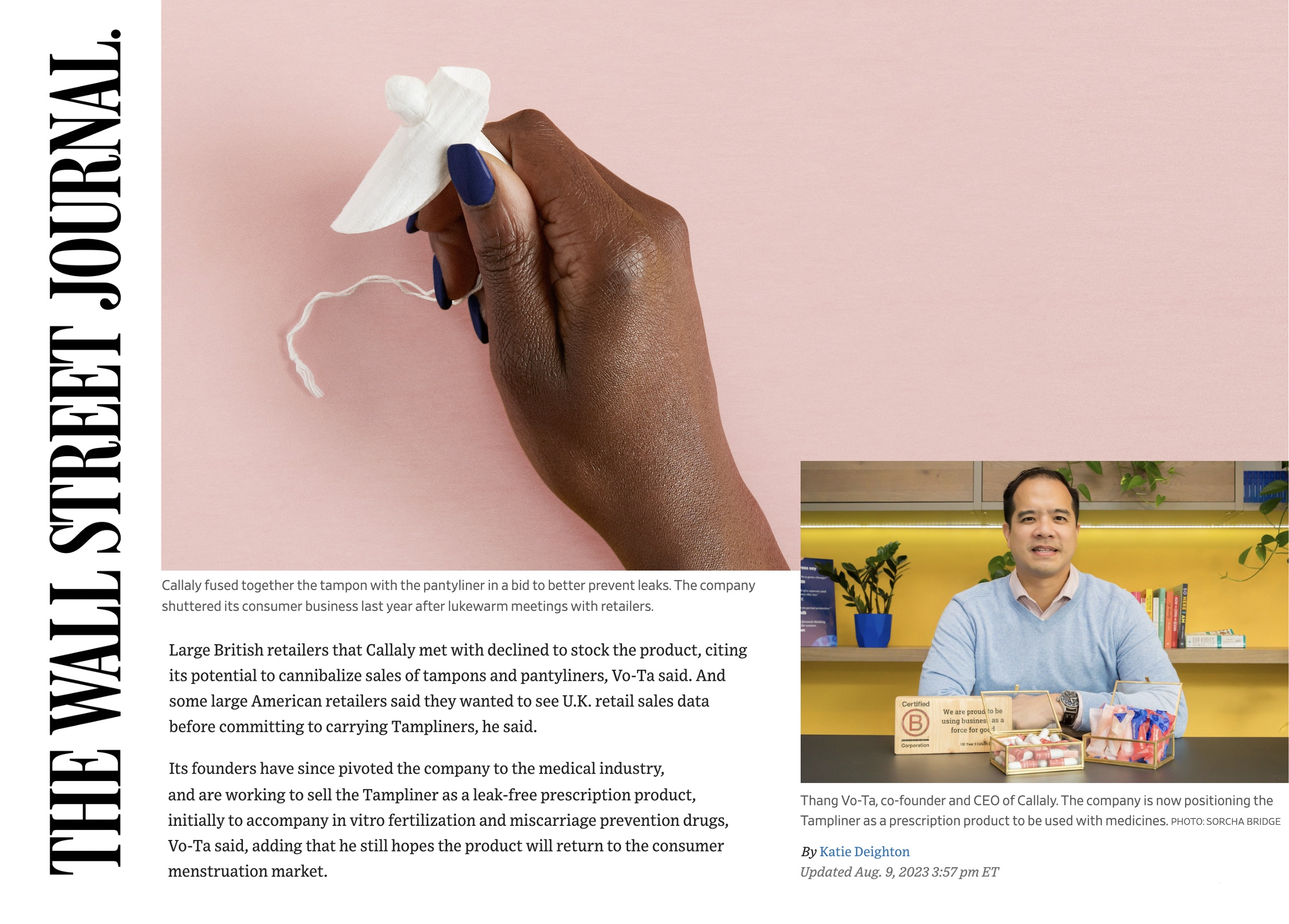
"As a male founder in this space, I heard every kind of doubt," he recalls. "But health affects everyone. It should not be limited by gender."
Vietnamese heritage, Canadian passport, Singaporean roots, American training, British settlement — these coordinates formed a genuinely global Asian perspective. That plurality became an asset in women's health: unboxed by any single market's bias, able to read Silicon Valley innovation, London's regulatory path, and Asia's urgent fertility needs in parallel.
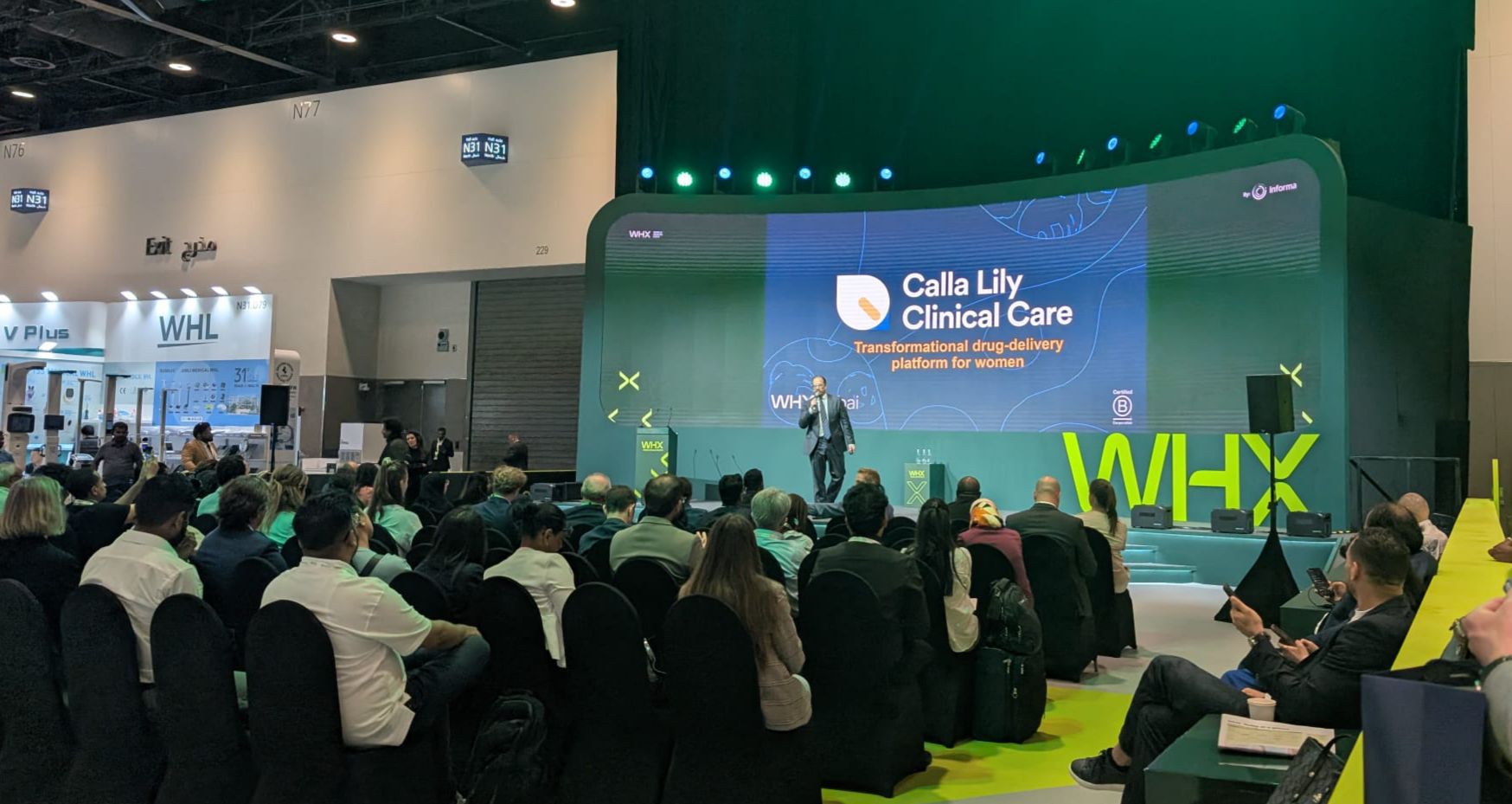
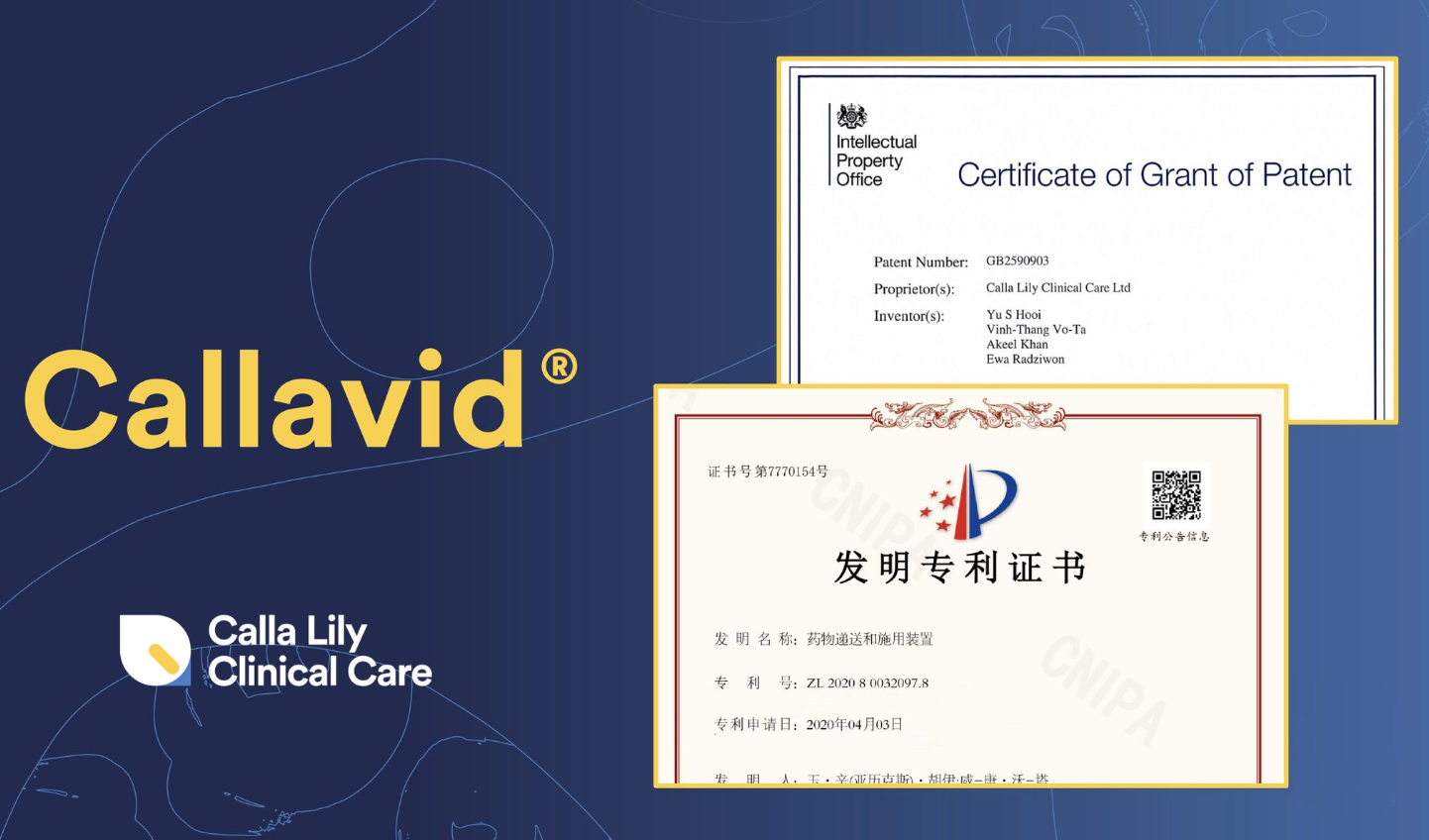
Calla Lily Clinical Care's IP strategy reflects that lens — China and India are core markets. Its second-generation drug-delivery patent was granted first in China and India, not by accident. In Thang's mission, Asia is never an "export market"; it is central to the story.
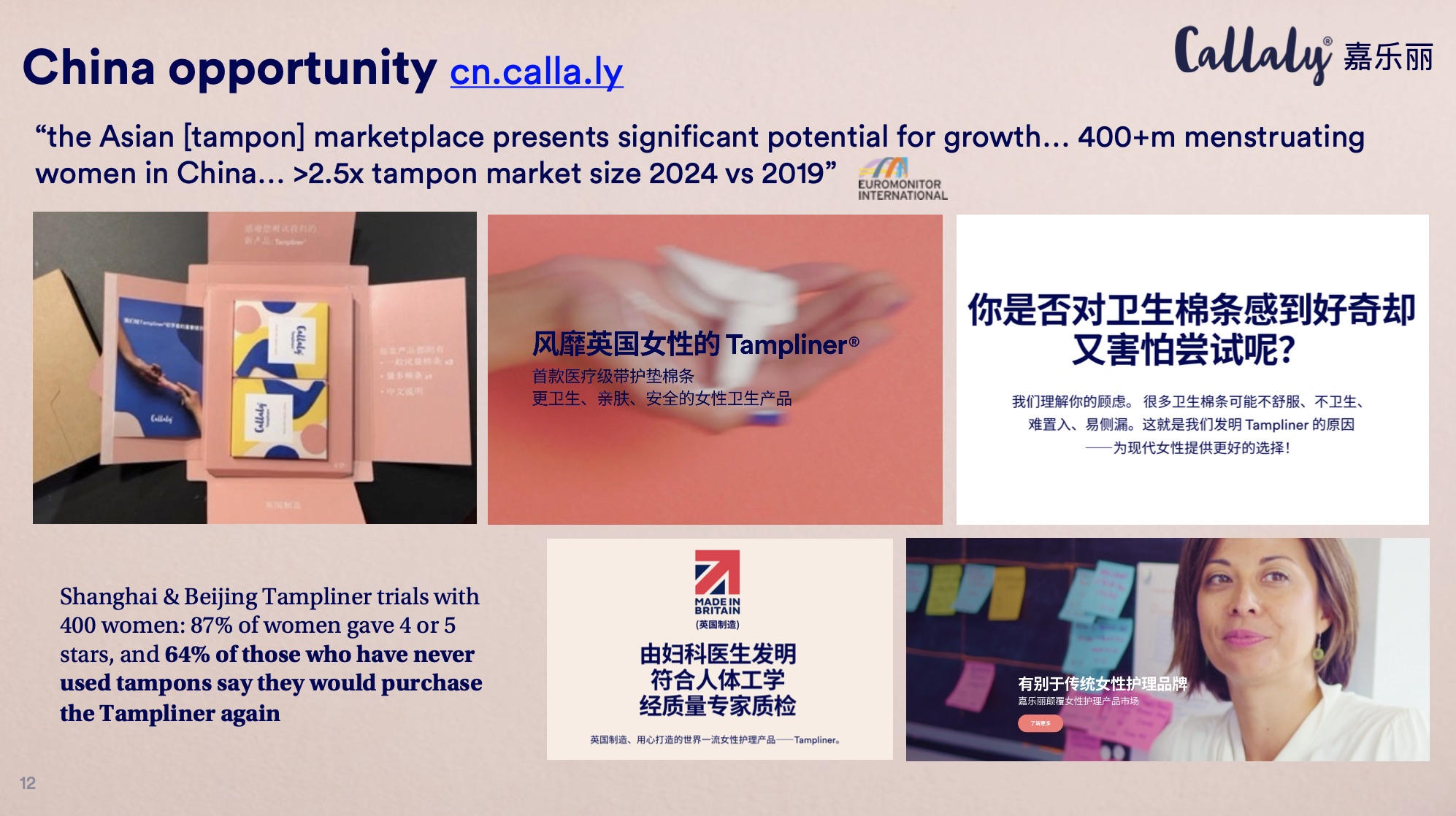
02 Innovation and Resistance: From Consumer Brand Callaly to MedTech Calla Lily
Thang co-founded Callaly with Ewa Radziwon, a garment technologist with fifteen years in fashion, and launched Tampliner® — a hybrid tampon-and-liner designed for better leak protection and everyday ease.
The design was bold enough to earn a place on TIME's Best Inventions of 2020 list. Callaly drew press and awards — yet commercial traction lagged. Major retailers such as Boots remained sceptical of a new format, blocking mainstream distribution.
"Medical investors did not understand consumer logic; consumer investors wanted pure digital plays," Thang explains. "We were stuck in an awkward middle."
Faced with retail barriers, he pivoted: same technology, higher-stakes application — from consumer goods to regulated medical devices.
"Sometimes rejection is the best navigation," he says. "It forced us to ask: can this technology create value in a more serious setting?"
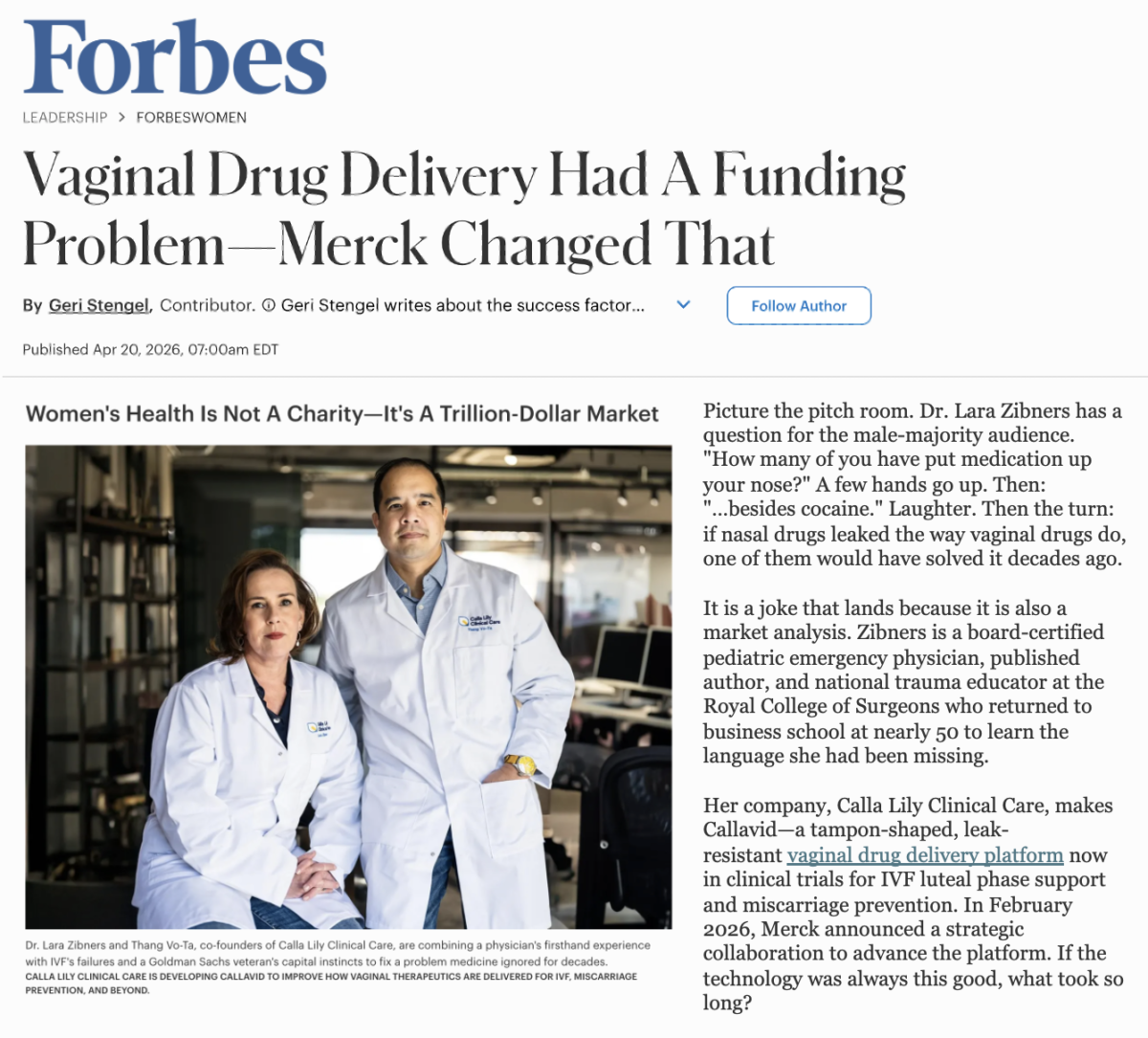
In 2021 he partnered with Dr Lara Zibners — herself navigating repeated IVF cycles — to launch Calla Lily Clinical Care, a women's health medtech company and certified B Corp committed to social and environmental performance, accountability, and transparency.
03 Technical Breakthrough: How the Callavid® Platform Changes the Game
At the heart of Calla Lily is the Callavid® platform — a leak-resistant, user-friendly vaginal drug-delivery system built first for progesterone in miscarriage prevention and IVF support. Compared with conventional methods, it offers:
- Leak protection: an absorbent mini-liner and flexible biocompatible polymer keep the dose in place while containing leakage
- Improved efficacy: less wasted medication, more reliable absorption
- Ease of use: a tampon-like experience that lowers the barrier for patients

The need is real. In the UK, more than 150,000 women annually are eligible for NHS progesterone for threatened miscarriage; globally, roughly 8.5 million women use progesterone for IVF and pregnancy support.
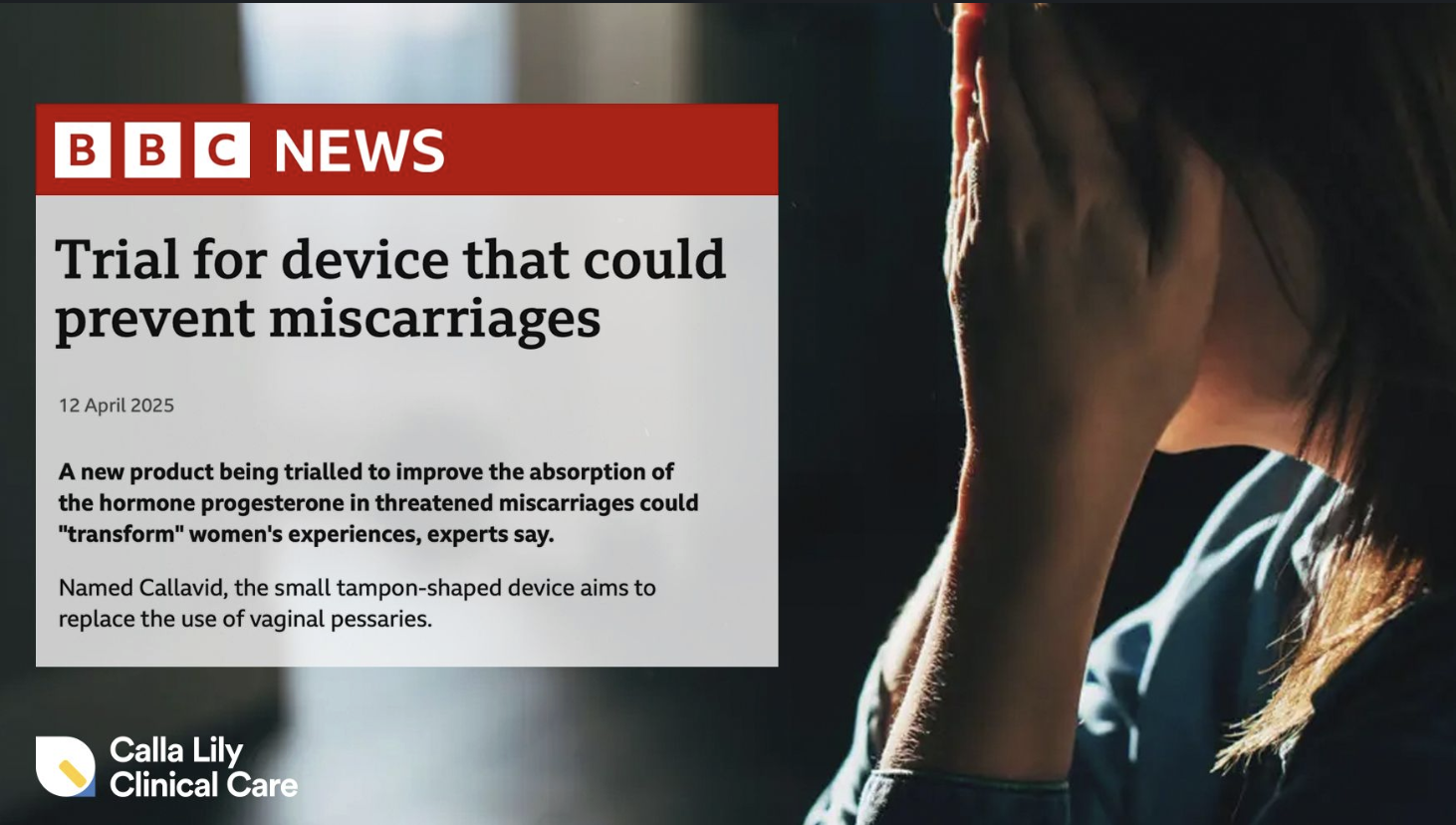
Professor Siobhan Quenby of the University of Warwick notes:
"Callavid® will be welcomed by miscarriage patients — pessary leakage is a common source of significant anxiety. Reducing psychological trauma, anxiety, and depression would be deeply valuable."
04 Funding and Growth: From Public Grants to Private Capital
The hardest part of building a company is not the technology — it is the will to keep going. The hardest leadership is not leading others; it is leading yourself.
With support from Innovate UK and Innovate UK Business Growth, Calla Lily has:
- Secured £2.2M in grant funding and over £4.5M in private investment
- Grown from 4 to 16 team members
- Recently raised £1M to begin clinical trials for its flagship Callavid® device
In May 2026 the company announced that the FREEDOM trial has completed first-patient dosing.
Funded by the UK's National Institute for Health Research (NIHR) and run with University Hospitals Coventry and Warwickshire (UHCW) NHS Trust, the study evaluates Callavid®'s safety, usability, patient acceptance, and absorption of 400mg progesterone — marking the shift from engineering innovation to clinical evidence.
Calla Lily has also expanded its global IP portfolio through the UK IPO's IP audit programme, with second-generation delivery patents granted in China and India and advancing in Europe.
05 Resilience Rewarded: From Rejection to Pursuit
Just as the team focused fully on medical applications, two unexpected turns arrived.
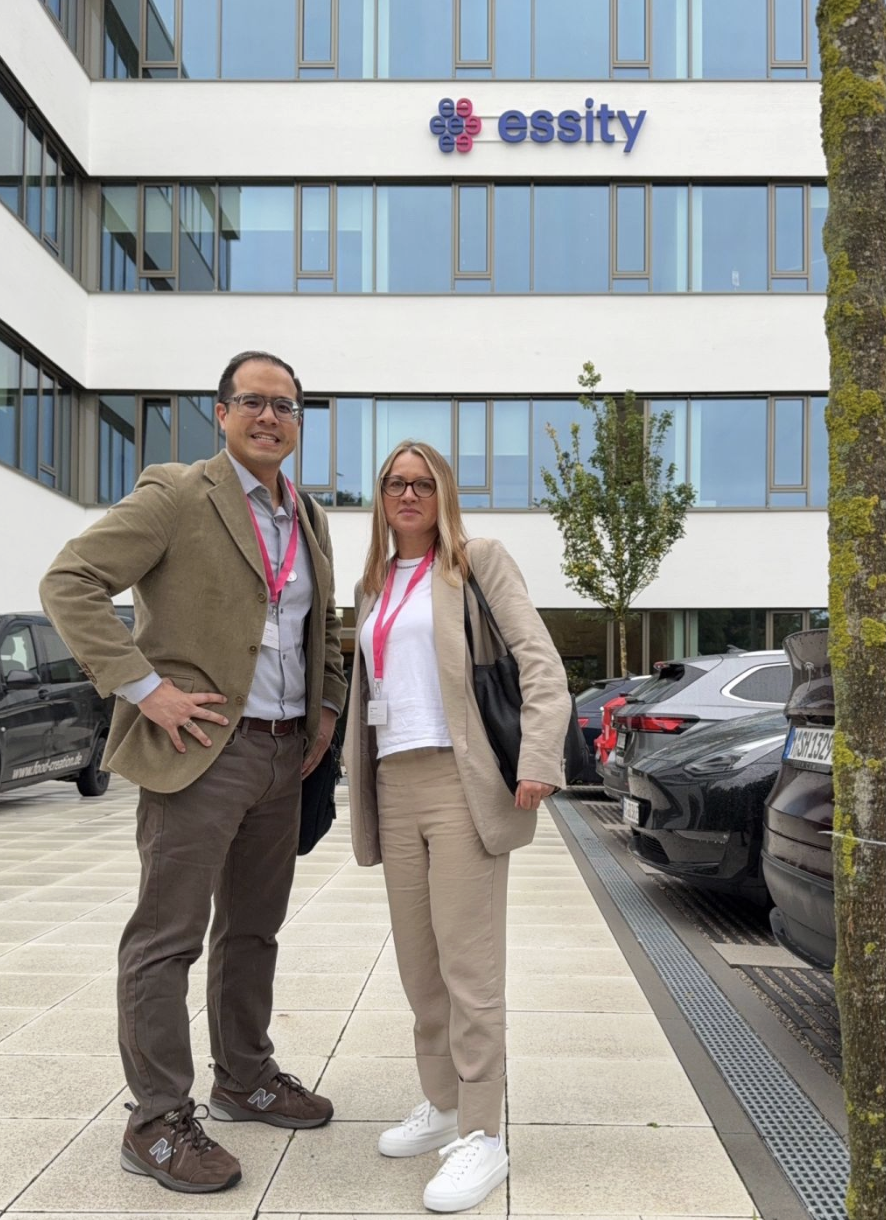
Essity — Europe's largest and the world's second-largest hygiene company, which had once declined Callaly — came back seeking partnership.
"Ten years ago they gave us a clear no. Now they are knocking on our door," Thang says with the quiet smile of someone who waited a long time.
The second turn came from Merck, offering financial support and strategic resources — validation from the core of global pharma that Callavid® is moving from startup vision toward clinical standard.
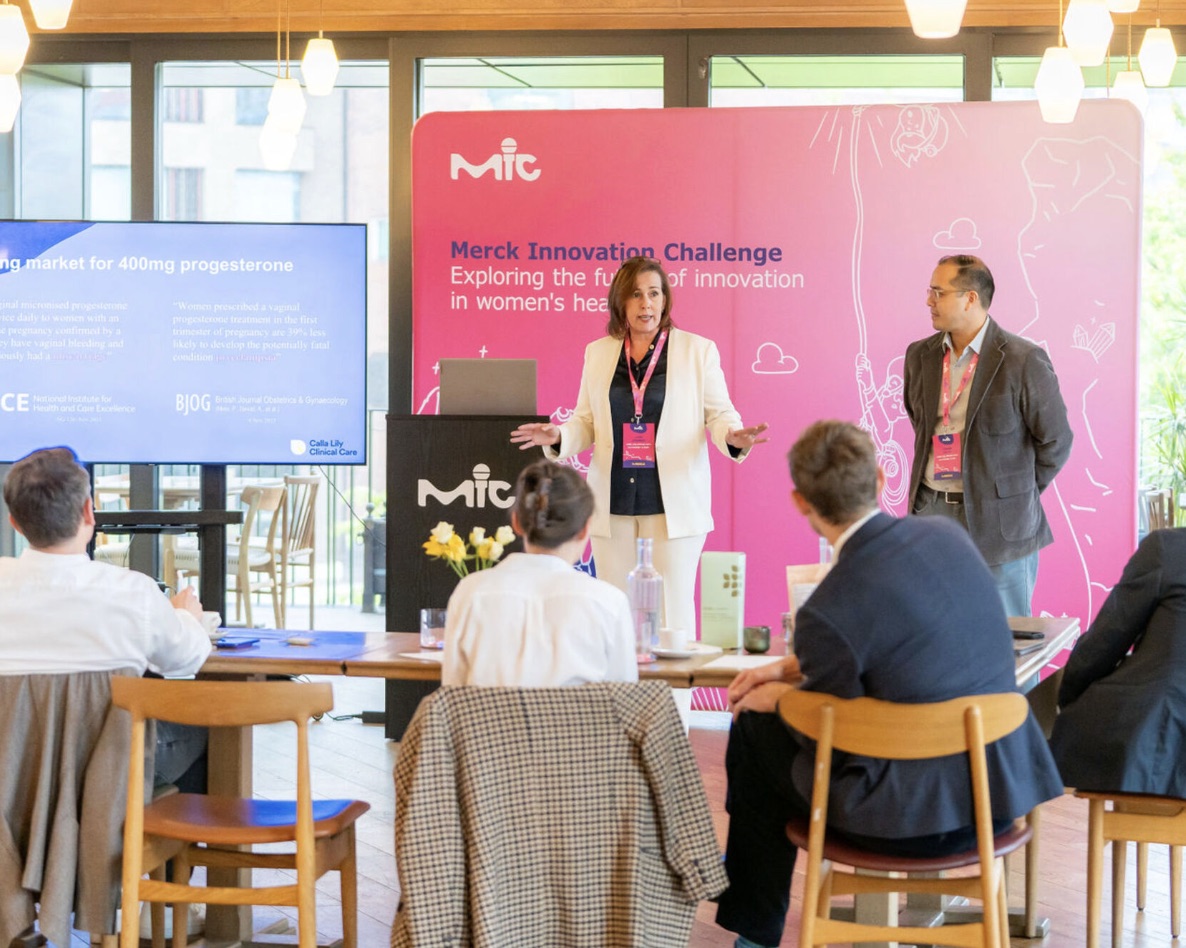
For most FemTech companies, attention from the world's largest hygiene group and a top pharmaceutical group at once is almost unimaginable. For Thang, it was the compound interest of eleven years of pivots and persistence — finally resonating at the right moment.
Both shifts reflect a sector-wide awakening: women's health is not a niche; it is a long-underestimated market that institutions can no longer ignore.
06 The Dancer's Rhythm Continues
"Dancing taught me two things: find your own rhythm, and get back up immediately after you fall."
That is the truth of his decade — from consumer to medtech, from rejection to pursuit. Thang keeps adjusting tempo after every setback.
"Women's health innovation needs marathon runners who understand pacing, not sprinters chasing quick exits. Like dance, the point is not one perfect move — it is the fluency and persistence of the whole performance."
From dismissed to sought-after, from three years expected to ten years delivered — Thang Vo-Ta's journey shows that lasting innovation is measured in impact, not exit speed.